• Skip to primary navigation
  • Skip to main content
  • Skip to footer
Bidvest Noonan

Bidvest Noonan

A leading provider of Facilities Management Servicess

  • Sectors
        • Our Sector Expertise

        • Healthcare
        • Education
        • Transport
        • Central & Local Government
        • Life Sciences
        • Food Manufacturing
        • Retail
        • Real Estate
        • Corporate
        • London Security
  • Services
        • Single, Bundled, and Integrated Service Solutions

        • Security Services
        • Technical Services
        • Risk and Security Consultancy
        • Energy Management
        • Cleaning Services
        • Electronic Security
        • Transport Cleaning
        • Reception Services
        • Facilities Management
        • Industrial Cleaning
        • TwinSpace
        • FM Service Transformation
  • Sustainability
  • About Us
        • Leadership
        • Our Purpose
        • Accreditations
        • ED&I
        • News Room
        • Digital Operations Platform
  • Innovation
  • Contact Us
        • Build a career with us

          Do you share our passion for creating safer and healthier communities?

        • Careers
        • Get a Quote

          We can design the perfect solution for your business, helping you achieve your objectives.

        • Contact Us

Expertise

Bidvest Noonan Launches Counter-Terror Training Programme Aligned with UK Protective Security Guidance

October 30, 2025 by Cinara

As the United Kingdom prepares for the introduction of Martyn’s Law, Bidvest Noonan has launched a new Protective Security Training Programme designed to enhance preparedness for terror-related incidents and promote safer public spaces.


The initiative began with comprehensive training for control room operators, trauma-trained medics, and security officers, focused on rapid decision-making and coordination during major incidents. This was followed by a live, scenario-based counter-terror exercise at White City Place in London, home to a range of high-profile tenants and offering a realistic urban environment for the simulation.


The exercise recreated the “Platinum 10 Minutes,” the critical window immediately following a major incident when decisive action can save lives. The scenario simulated a Vehicle as a Weapon (VAW) attack and was supported by Turret Training, St John Ambulance, and specialists from St Barts Hospital.

Authorities, including the National Protective Security Authority (NPSA) and ProtectUK, warn that Marauding Terrorist Attacks (MTAs) and vehicle-based assaults remain among the most likely forms of attack. Such incidents can unfold without warning, and most casualties occur before emergency services arrive. Recent attacks, from Westminster Bridge and London Bridge in 2017 to the Liverpool vehicle incident in May 2025, underscore the ongoing need for rapid, informed on-site response.


Bidvest Noonan’s new programme delivers realistic, site-specific training that translates national counter-terror guidance into practical capability for private-sector security teams.


“Incidents like these unfold in seconds, not minutes. Our goal is to ensure that when the worst happens, our teams are ready to act decisively and protect lives. By simulating real threats in real environments, we’re giving our people the skills and confidence to respond under pressure,” said Greg Beech, Director of Operations, Bidvest Noonan.


“It was an intense but valuable experience. The realism of the exercise helped us understand how crucial communication and quick thinking are in those first moments,” said a participant.


Aligned with Home Office and NPSA frameworks, the programme anticipates the forthcoming Protect Duty (Martyn’s Law), which will require public-facing organisations to enhance their counter-terrorism measures. Future training modules will expand to cover bladed-weapon attacks, hostile intruder events, and suspicious-package protocols, providing a comprehensive approach to threat readiness.

Filed Under: Expertise, Latest News Tagged With: key-content, pressrelease

Why Reliable Corporate Cleaning Boosts Employee Satisfaction and Productivity

October 28, 2025 by Content Manager

As hybrid working continues to shape the modern workplace, organisations across the UK and Ireland are redefining what the office represents. It is no longer just a functional environment for completing tasks, it has become a space for collaboration, creativity, and connection. Amid this evolution, one factor consistently influences how employees feel the moment they step inside: the cleanliness and maintenance of the workspace.

A clean, safe, and welcoming office environment communicates care, competence, and commitment. For facilities managers and business leaders, investing in reliable corporate cleaning services goes far beyond aesthetics. It’s about building trust, supporting wellbeing, and enabling people to perform at their best, every single day.

Building Trust and Confidence Through Reliable Corporate Cleaning

Employees notice when their workplace feels cared for. Walking into a tidy, hygienic environment sends a subtle but powerful message: “You matter here.” When cleaning standards are high and consistent, it shows that the organisation values its people’s health, comfort, and experience. Partnering with a professional office cleaning company helps maintain these high standards day after day, reinforcing a culture of care and attention to detail. 

This reliability builds trust. Employees who see that their workspace is consistently well-maintained are more likely to feel safe, respected, and supported. In a world where health and safety remain priorities, especially after the pandemic, dependable hygiene practices signal responsibility and professionalism.

A clean environment also creates peace of mind. People can focus on their work without worrying about whether shared areas, desks, or kitchens are sanitary. That sense of safety reduces stress and distraction, enabling employees to concentrate and perform at their full potential.

Reducing Absenteeism With Better Hygiene and Employee Satisfaction

The connection between cleanliness and health is clear. Germs spread quickly in shared spaces, meeting rooms, kitchens, and restrooms are common hotspots. Regular and reliable cleaning dramatically reduces the risk of illness transmission, leading to fewer sick days and more consistent attendance.

According to workplace wellbeing studies, even modest improvements in hygiene can have a measurable effect on employee health and morale. The IPPR revealed that the annual hidden cost of employee sickness has risen by £30 billion since 2018 and UK employees are more likely persevere at work through sickness, which can have a productivity cost. That’s why it is important a business partners with a trusted corporate cleaning solution, that takes a proactive stance on wellbeing. Instead of reacting to illness outbreaks or cleanliness complaints, it invests in prevention, protecting both people and productivity.

For HR and facilities management teams, this approach offers tangible benefits. A cleaner environment leads to fewer disruptions, smoother operations, and a stronger culture of care. Healthy employees are happier, more engaged, and better equipped to deliver their best work.

cleaning team of two walking upstairs talking

The Link Between Hygiene and Employee Attendance

A bright, fresh, and well-kept workspace lifts people’s moods. The visual and sensory cues of cleanliness, sparkling floors, fresh air, organised workstations, contribute to a sense of calm and order. When employees return each morning to an environment that feels looked after, it reinforces their pride and sense of belonging.

Studies have consistently shown that a clean and organised environment has a direct impact on employee wellbeing and productivity. A study published in the International Journal of Environmental Research and Public Health found that workers in tidy, well-maintained spaces reported lower stress levels and improved focus, demonstrating that a clutter-free environment can significantly enhance cognitive performance and job satisfaction. This emotional connection matters. Employees who feel valued and comfortable in their surroundings are more motivated to go the extra mile. They’re more likely to collaborate, innovate, and contribute ideas that drive progress. Conversely, a neglected office can quietly chip away at morale, making it harder to maintain enthusiasm and attract top talent.

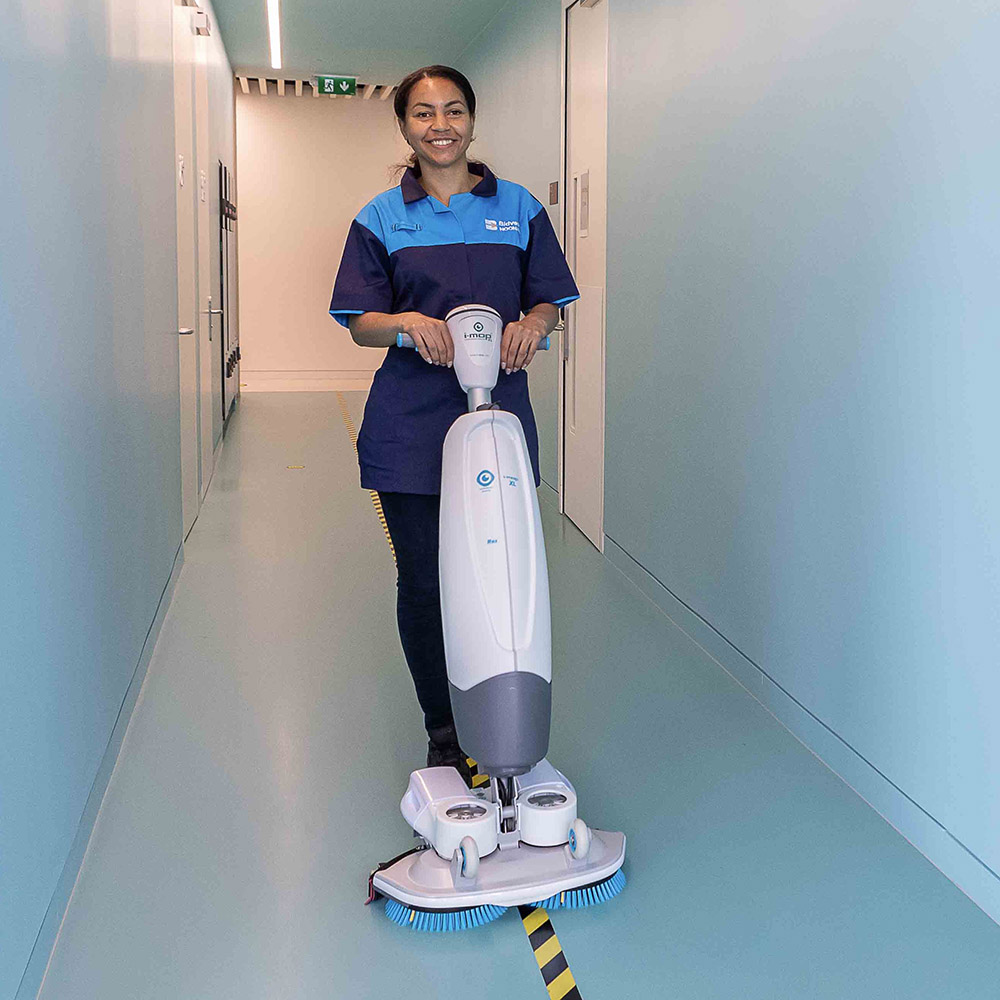
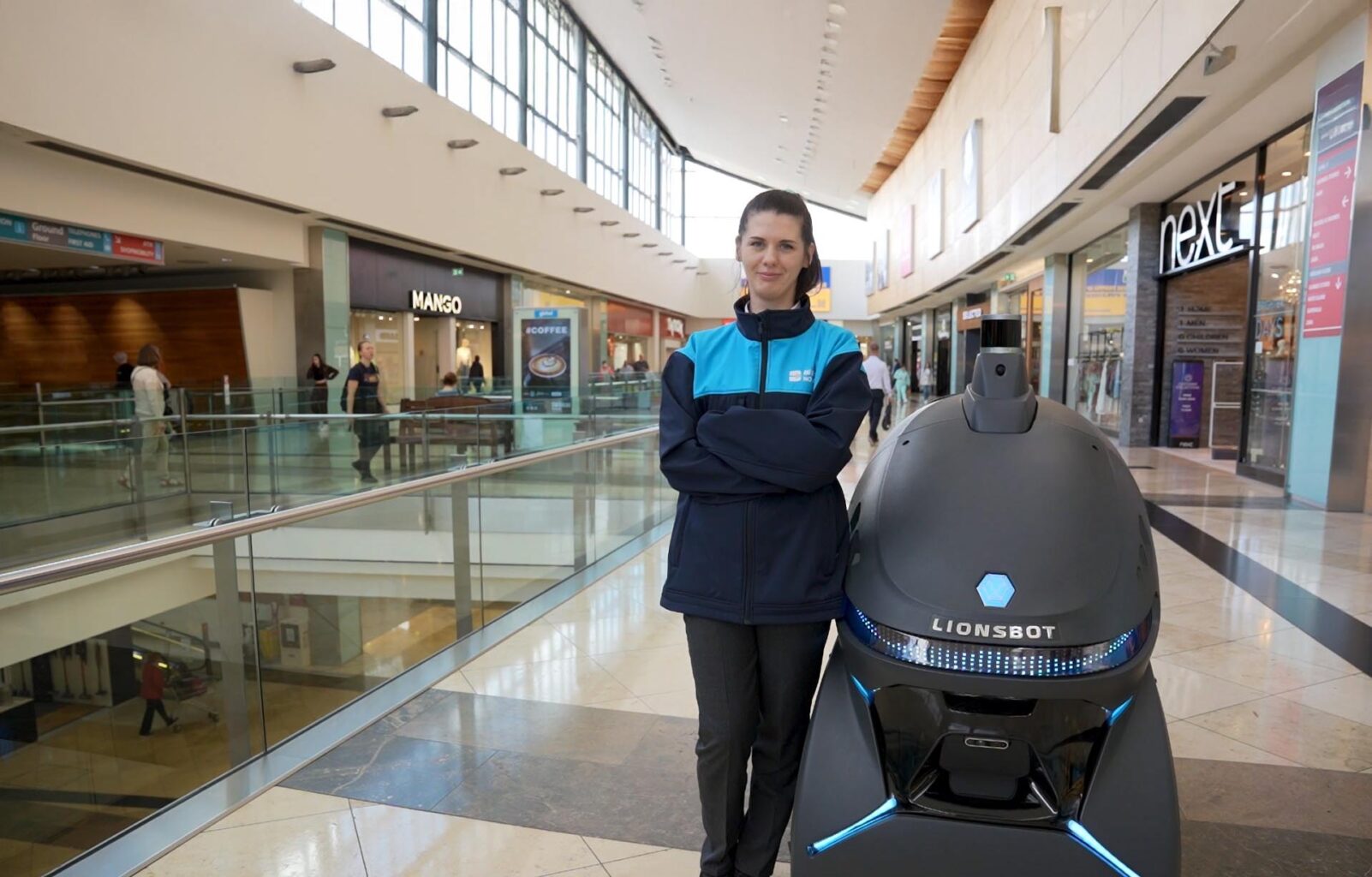
Reliable service delivery plays a crucial role here. Market-leading cleaning solutions today rely not only on professionalism but also on advanced technologies and data-driven strategies to deliver consistent results. By utilising tools like autonomous cleaning robots, smart sensors, and data led dynamic cleaning, companies can adapt quickly to the needs of modern workplaces. Whether that means adjusting schedules to accommodate hybrid working or using eco-friendly cleaning products to align with sustainability goals, great service is about understanding people as much as it is about maintaining facilities.

The Advantage of a Clean Office for Productivity

Ultimately, the relationship between cleanliness and productivity is undeniable. A clutter-free, hygienic, and well-lit workspace supports concentration, reduces stress, and minimises distractions. Employees who feel physically comfortable and safe can devote more energy to creativity, problem-solving, and collaboration.

Reliable cleaning partners don’t just maintain spaces, they enhance performance. Leveraging the latest technology transforming the cleaning industry, they create environments that are cleaner, safer, and better aligned with organisational standards.

Businesses that treat clean office productivity as a strategic priority gain a measurable edge. They experience lower absenteeism, higher morale, and better retention rates. They also project a strong brand image to clients and visitors, demonstrating that professionalism and care are embedded in every detail.In today’s competitive landscape, where employee experience is a key differentiator, investing in cleanliness is an investment in people. Clean spaces help people think clearly, feel valued, and perform confidently, the foundation of every thriving business, which is what every successful company needs.

Making Cleanliness a Strategic Priority

Corporate cleaning should not be viewed as a background task or an optional expense. It’s a strategic function that directly influences wellbeing, engagement, and productivity. By partnering with professional corporate cleaning services, businesses can ensure their spaces consistently meet the highest standards, reflecting their brand values while fostering a healthier, happier workforce.

As the nature of work continues to evolve, the importance of reliable, high-quality cleaning will only grow. Clean offices build trust, inspire pride, and enable performance. They help employees feel comfortable and confident, knowing that their health and environment are a priority.

A clean workplace isn’t just good for business; it’s essential for building a culture where people can thrive. To find out more about how our services can help your corporate environment, contact our expert team today.

Filed Under: Expertise Tagged With: cleaning, corporate

Declan Doyle’s front cover interview with FM Director

October 22, 2024 by Cinara

In an exclusive interview with FM Director, our CEO, Declan Doyle, shares his inspiring journey and discusses how innovation, sustainability, and great people are at the heart of our business. He also highlights how our commitment to creating safer, healthier communities is transforming the way we work across the UK and Ireland.

It’s a great article and a must-read for anyone interested in our business or industry!
Read it here: https://issuu.com/fmbdmedia/docs/fmdsept24

Filed Under: Expertise, Latest News, Our Business Tagged With: key-content

Introducing Dynamic Workplace

March 31, 2024 by Site Manager

We are delighted to announce the launch of our Dynamic Workplace solution. This intelligence-driven solution employs cutting-edge sensor-based technology to optimise service performance, resource utilisation, and transform service management and workplace experiences.


Dynamic Workplace utilises LoRaWAN sensors, which employ long-life batteries and Wi-Fi technology, enabling flexible, easy placement throughout facilities without additional power or connectivity needs. These discreet, wireless sensors provide real-time data on various aspects such as occupancy, temperature, and lighting. By aligning service and resource allocation with actual usage patterns, Dynamic Workplace significantly reduces unnecessary consumption and costs. For example, with Dynamic Workplace, customers can identify when spaces are not in use, allowing them to save on lighting and heating while service teams can reorganise their work plans for greater productivity.


Bidvest Noonan’s Dynamic Workplace solution also enables greater space utilisation. For example, occupancy data can reveal underutilised areas, allowing for a reconfiguration of space to better meet the needs of the workforce or to identify opportunities for energy savings. The service solution is receiving strong support in the market, particularly in sectors with large facilities such as those in Higher Education. Four large universities have already embraced the company’s technology.


‘At Bidvest Noonan, we’re excited about the transformative impact of Dynamic Workplace. The initial feedback from our clients, has been overwhelmingly positive,’ says Peter Smyth, Director of Innovation and Technology. ‘We’ve seen customers harness this technology to not only streamline their operations but also to significantly enhance their sustainability efforts.’

Filed Under: Expertise, Innovation, Latest News, Uncategorized Tagged With: cleaning, key-content, pressrelease

Balancing Security with Community

March 20, 2024 by Cinara

In the article below, our Business Development Director, Adrian Canale, shares his insights on how to strike the right balance between security and community engagement.

London is renowned for its vibrant and dynamic public spaces. The city is home to some of the most exciting and diverse mixed-use environments that blend residential areas, offices, retail outlets, and cultural hotspots. When designing security solutions for these spaces the primary challenge lies in establishing robust security measures that do not detract from the welcoming and open atmosphere these areas provide. The goal is to ensure the security, safety, and well-being of everyone, from residents and commuters to tourists, without imposing an overbearing presence.

Designing effective security solutions for busy public spaces is intricate work. The foundational approach begins with a comprehensive assessment of the assets requiring protection. This encompasses not just the physical property but also the intangible elements like the area’s ambience and the customer’s brand.

The next step often involves a thorough analysis of potential threats. This includes identifying both internal and external risks. Threat identification is an ongoing process, benefitting from strong platforms and highly networked teams who can use data to develop intel for advanced warning of potential threats. It is important to be ahead of the curve in this area. An in-depth understanding of all threats allows for the quantification of their potential impact, guiding the development of responsive and proactive security strategies.

Central to the design of these security solutions are three key pillars: people, procedures, and technology. By harmoniously integrating these pillars, security solutions can be crafted to provide comprehensive protection while maintaining the unique character of the spaces being protected. The goal is to create a robust and multi-layered security solution, capable of adapting to the evolving needs and challenges of these dynamic environments. There are many additional considerations when designing solutions for public spaces.

Public spaces are melting pots of individuals, each with distinct needs and expectations and embracing inclusivity in these spaces has become a cornerstone of modern security solution design. This means designing measures that cater to all, ensuring everyone feels safe and acknowledged.

In this context, security solution designers increasingly call on security personnel to adopt roles that go well beyond traditional duties. They are asked to perform as ambassadors and customer service representatives, trained not only in security and safety procedures but also in skills such as empathy, communication, and cultural sensitivity.

In a city as diverse as London, communication barriers can be a significant challenge. Training and careful recruitment can help bridge the gap and there are many small and simple steps teams can take to improve their accessibility to the public. For example, some of our security teams wear ‘language flags’ on their uniforms. These small, embroidered patches indicate the languages an officer is fluent in, thereby inviting non-English speakers to communicate in their preferred language. This simple but effective tool not only eases communication but also demonstrates a commitment to inclusivity.

The scope of health and safety in modern security has expanded significantly, encompassing advanced medical training, and enhanced rapid response capabilities. This evolution reflects a broader responsibility of security teams, not only in preventing and addressing security incidents but also in responding effectively to health emergencies.

Security personnel are increasingly equipped with medical training that goes beyond basic first aid. This includes specialised courses such as First Person on Scene Intermediate (FPOSi), which provides them with the skills to manage a range of medical conditions and trauma-related injuries.

This advanced medical knowledge enables security teams to act as first responders in emergency situations, able to administer potentially life-saving care while waiting for medical professionals to arrive. This capability is especially crucial in high-traffic public spaces where a range of medical emergencies, from minor injuries to serious health crises, can occur.

Good solution design often incorporates technologies that enhance security operations and provide data for continuous improvements. Although many security companies manage well with traditional systems and methods of working, in an era where data is invaluable, modern technology can have a huge impact on performance. For example, while many companies find paper-based occurrence logs to be adequate, for high footfall public spaces switching to a sophisticated digital system can make a significant difference. This can facilitate the analysis of data to identify trends and make informed decisions about resource allocation, identify areas for additional surveillance or patrols, and continually refine their security strategies. There are so many other areas where technologies can enhance security operations in these spaces, from body-worn cameras offering real-time recording to enhance accountability and safety, to advanced radio systems which ensure seamless communication among team members and even colleagues on other sites.

The art of creating secure yet inviting public spaces lies in the delicate balance between safety and openness. By integrating empathetic, culturally sensitive, and highly trained personnel, advanced technologies, and strategic planning, our industry can achieve the highest standards of security while preserving the vibrancy and inclusivity of our public spaces.

Filed Under: Expertise, Latest News Tagged With: key-content, pressrelease, security

The impact of the AI Act on the facilities Industry

March 14, 2024 by Cinara

On Wednesday, the EU passed the world’s first comprehensive AI law, the Artificial Intelligence Act. This Act is set to establish unprecedented standards for AI usage and regulatory compliance. Its significance will be particularly pronounced for the private security and facilities industries in the EU. However, the significance of this Act extends far beyond EU borders, potentially influencing future legislative approaches in other markets.

Notably, the UK has outlined its approach to AI regulation in its 2023 white paper. The UK’s strategy shares common principles with the EU’s legislation. The white paper advocates for a new regulatory framework for high-risk AI systems and risk assessments for AI tool usage.

Implications for the Private Security Industry


Central to the EU’s AI Act are provisions designed to safeguard fundamental rights and public safety. The legislation classifies AI systems based on their risk potential, with stringent regulations for high-risk applications and an outright ban on specific uses such as certain untargeted facial recognition and mass surveillance techniques. For the private security industry in the EU, these measures may necessitate a careful evaluation of surveillance practices and technologies in the future. The act prohibits the use of AI systems that “create or expand facial recognition databases through the untargeted scraping of facial images from the internet or CCTV footage”.

The Act restricts the use of ‘real-time’ remote biometric identification systems in publicly accessible areas for law enforcement purposes, permitting their usage only under specific, tightly defined circumstances, such as the search for victims of serious crimes or the prevention of substantial, imminent threats.

The act will present challenges in terms of compliance and operational adjustments for Security providers as they deploy AI. Security firms will need to conduct comprehensive audits of their AI technologies, ensuring alignment with the Act’s requirements. A crucial component of adapting to the new landscape involves educating both staff and stakeholders about the ethical, legal, and operational implications of the AI Act.

The Artificial Intelligence Act is a landmark in the regulation of AI technologies, with far-reaching implications for the private security industry. Ultimately, this legislation aims to pave the way for a safer, more ethical future. As the industry adapts, it remains to be seen how these regulations will shape the landscape of AI in security. Bidvest Noonan is closely monitoring the developments and its dedicated teams are working together to ensure compliance with the Act and careful consideration of the use of AI technology in our business.

Commentary by Peter Smyth, Director of Technology & Innovation, And Olga Mitropoulou, Director of Risk & Compliance

Filed Under: Expertise, Innovation, Latest News Tagged With: innovationheader, key-content, pressrelease

  • « Go to Previous Page
  • Page 1
  • Page 2
  • Page 3
  • Page 4
  • Page 5
  • Interim pages omitted …
  • Page 12
  • Go to Next Page »

Footer

Our Services

  • FM Service Transformation
  • Technical Services
  • Security Services
  • Cleaning Services
  • Electronic Security
  • Facilities Management
  • Industrial Cleaning Services
  • TwinSpace

Connect with us

  • Facebook
  • LinkedIn

Important Information

  • Our Registered Offices
  • Whistle Blowing
  • Gender Pay Gap
  • Modern Slavery Statement
  • Privacy Notice
  • Cookie Policy
  • Accessibility Statement

Get in Touch

  • Careers
  • Contact Us
  • Employee Portal

Our Offices

London Dashwood House, 69 Old Broad Street
London, EC2M 1QS
United Kingdom
Tel: 00 44 (0) 203 319 1750
Belfast Unit 7 Edgewater Business Park
Belfast, Co. Antrim, BT3 9JQ
United Kingdom
Tel: 00 44 (0) 2890774799
Dublin Hilton House, Unit 3, Swords Business Park Swords, Co. Dublin, K67 X971
Ireland
Tel: 00 353 (0) 1 8839800

Copyright © 2025 · Bidvest Noonan · PSA No. 02264

Cookie Notice
We use cookies to give you the best experience on our website. Some cookies are strictly necessary for the functionality of the website. We may use non-essential cookies to enhance your experience by remembering your preferences and repeat visits. For more information about the cookies used and how to withdraw your consent anytime, please refer to our Cookie Policy and our Privacy Policy
Accept All Reject All
Manage consent

Privacy Overview

This website uses cookies to improve your experience while you navigate through the website. Out of these, the cookies that are categorized as necessary are stored on your browser as they are essential for the working of basic functionalities of the website. We also use third-party cookies that help us analyze and understand how you use this website. These cookies will be stored in your browser only with your consent. You also have the option to opt-out of these cookies. But opting out of some of these cookies may affect your browsing experience.
Necessary
Always Enabled
Necessary cookies are absolutely essential for the website to function properly. These cookies ensure basic functionalities and security features of the website, anonymously.
CookieDurationDescription
cookielawinfo-checkbox-advertisement1 yearSet by the GDPR Cookie Consent plugin, this cookie is used to record the user consent for the cookies in the "Advertisement" category .
cookielawinfo-checkbox-analytics1 yearSet by the GDPR Cookie Consent plugin, this cookie is used to record the user consent for the cookies in the "Analytics" category .
cookielawinfo-checkbox-functional1 yearThe cookie is set by the GDPR Cookie Consent plugin to record the user consent for the cookies in the category "Functional".
cookielawinfo-checkbox-necessary1 yearSet by the GDPR Cookie Consent plugin, this cookie is used to record the user consent for the cookies in the "Necessary" category .
cookielawinfo-checkbox-others1 yearSet by the GDPR Cookie Consent plugin, this cookie is used to store the user consent for cookies in the category "Others".
cookielawinfo-checkbox-performance1 yearSet by the GDPR Cookie Consent plugin, this cookie is used to store the user consent for cookies in the category "Performance".
CookieLawInfoConsent1 yearRecords the default button state of the corresponding category & the status of CCPA. It works only in coordination with the primary cookie.
JSESSIONIDsessionThe JSESSIONID cookie is used by New Relic to store a session identifier so that New Relic can monitor session counts for an application.
PHPSESSIDsessionThis cookie is native to PHP applications. The cookie is used to store and identify a users' unique session ID for the purpose of managing user session on the website. The cookie is a session cookies and is deleted when all the browser windows are closed.
viewed_cookie_policy1 yearThe cookie is set by the GDPR Cookie Consent plugin to store whether or not the user has consented to the use of cookies. It does not store any personal data.
Functional
Functional cookies help to perform certain functionalities like sharing the content of the website on social media platforms, collect feedbacks, and other third-party features.
CookieDurationDescription
__cf_bm30 minutesThis cookie, set by Cloudflare, is used to support Cloudflare Bot Management.
_zcsr_tmpsessionZoho sets this cookie for the login function on the website.
Performance
Performance cookies are used to understand and analyze the key performance indexes of the website which helps in delivering a better user experience for the visitors.
Analytics
Analytical cookies are used to understand how visitors interact with the website. These cookies help provide information on metrics the number of visitors, bounce rate, traffic source, etc.
CookieDurationDescription
_ga2 yearsThe _ga cookie, installed by Google Analytics, calculates visitor, session and campaign data and also keeps track of site usage for the site's analytics report. The cookie stores information anonymously and assigns a randomly generated number to recognize unique visitors.
_ga_V2JKVZK6002 yearsThis cookie is installed by Google Analytics.
_gat_gtag_UA_231339401_11 minuteSet by Google to distinguish users.
_gid1 dayInstalled by Google Analytics, _gid cookie stores information on how visitors use a website, while also creating an analytics report of the website's performance. Some of the data that are collected include the number of visitors, their source, and the pages they visit anonymously.
iutk5 months 27 daysThis cookie is used by Issuu analytic system to gather information regarding visitor activity on Issuu products.
vuid2 yearsVimeo installs this cookie to collect tracking information by setting a unique ID to embed videos to the website.
Advertisement
Advertisement cookies are used to provide visitors with relevant ads and marketing campaigns. These cookies track visitors across websites and collect information to provide customized ads.
Others
Other uncategorized cookies are those that are being analyzed and have not been classified into a category as yet.
CookieDurationDescription
45342b9b1esessionNo description
ZCAMPAIGN_CSRF_TOKENsessionNo description available.
Save & Accept