
More and more, organisations want a security partner that offers something greater than a presence on site. They want someone who sees a threat forming and acts before it puts their people, their sites or their reputation at risk. That’s what our Security Coordination and Intelligence Centre is built to deliver.
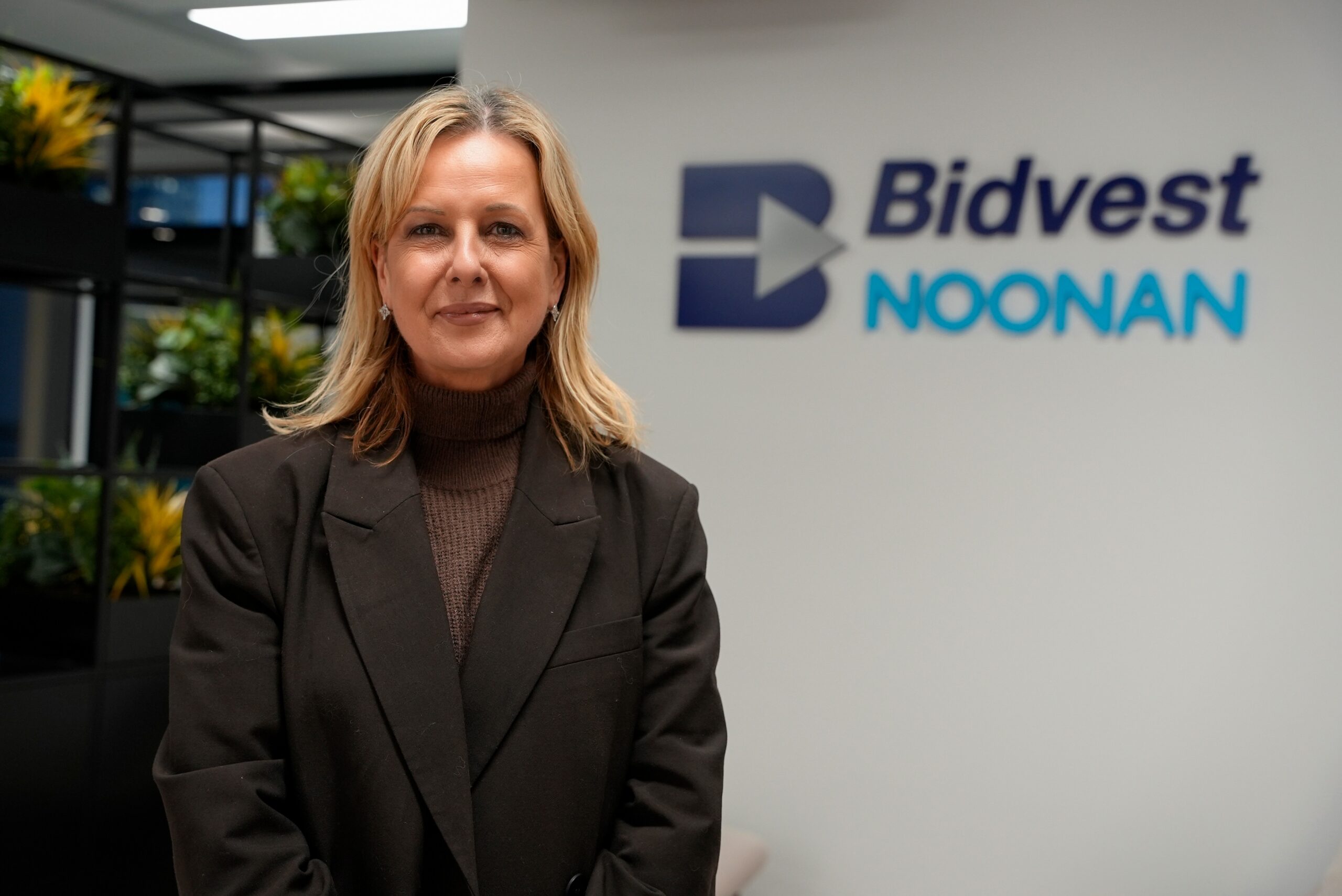
Michele Powell, Head of Operations for the SCIC, brings thirty years of policing to it, including counter-terrorism at a national level. We sat down with her to understand what intelligence-led security really delivers, and it came down to three things: anticipation, judgement and speed.
Anticipation: bringing risk forward in time
One of the most valuable things we do is move a client’s awareness of a risk earlier. Our analysts monitor open-source intelligence, breaking news and a wide spread of signals across regions and sectors. When something surfaces that could touch a client, the team researches it, establishes whether it is genuinely relevant, and turns it into something the client can act on quickly.
That is not prediction, and we are precise about the difference. Intelligence tells you where risk is likely to concentrate and what to watch for, so a client’s own people are prepared rather than surprised. As one of our analysts puts it, “the aim is to answer the question before the client has had to ask it.”
The value is clearest in the preparation. Ahead of a major music festival drawing hundreds of thousands of people into a region for the first time, we gave our client responsible for the surrounding transport network a package setting out where to concentrate resources, which areas would need additional cover, and what to watch for across the event, including a point in the programme likely to draw a more challenging crowd. We provide the same situational awareness around other requests that move large crowds, and around protests and civil unrest for clients whose people or sites sit close to the flashpoints. In each case we have done the thinking in advance, so the teams on the ground are never caught unprepared.
Judgement: turning information into clarity
There is more information available today than ever before, and the skill is in refining it. A forty-page report helps no one in a fast-moving situation. What a decision-maker needs is something accurate, concise and shaped around their real exposure, focused on the points that matter to them.
We produce risk profiles, intelligence briefings and assessments, and each one is built around the client in front of us and what they are able to do with it. Knowing what to include, and what to set aside, is what turns raw information into a decision a client can actually make.
Judgement matters just as much when something breaks. The SCIC runs a strong operational structure designed to move fast and move correctly: clear escalation, defined responsibilities, and experienced people empowered to act decisively on the information in front of them. One principle sits at the heart of it: everything the team produces exists to take uncertainty off the decision-maker’s shoulders. That is the discipline behind everything the SCIC produces, and the foundation of good risk management.
Speed: acting while it still matters
Intelligence only counts if it arrives in time to change what a client does. Our processes are built to compress the distance between a signal appearing and our teams and our clients being able to act on it. That discipline runs through the whole operation, from rapid briefings to real-time coordination when an incident is live.
It is also why we invest in staying ahead of how the landscape itself is shifting. Martyn’s Law, which now places new duties on organisations responsible for qualifying premises and events where the public gathers, is exactly the kind of change a serious security partner anticipates and helps clients meet before it becomes a challenge.
Technology sharpens judgement; it doesn’t replace it
Technology keeps expanding what is possible. We are increasingly able to deploy technical equipment that feeds directly into the centre, so that when an alarm activates, whether audio, visual or both, we can assess it and coordinate a response in real time, and that capability grows as the operation grows.
But technology does not replace judgement; it sharpens it. A system can flag that something has happened. It takes an experienced person to understand whether it matters, to whom, and what to do about it. The most advanced security services still come down to skilled people making good calls, now better informed than they have ever been.
Where this is heading
The relationship between an organisation and its security partner is changing. Clients increasingly want more than a presence on site; they want a partner who understands their risks well enough to reduce them before they materialise. That is precisely what the SCIC is built for.
For any organisation reviewing how it protects its people, property and reputation, the question is no longer only how fast a provider reacts when the alarm sounds. It is how much uncertainty that provider can take off the table before the alarm sounds at all.