

Peter Smyth, Director of Innovation & Technology at Bidvest Noonan, on how new technologies are changing how buildings operate.
For many years, changes in buildings and facilities arrived in steady steps. A new piece of equipment here, an updated procedure there and gradual improvements across sites.
That picture is beginning to change. A group of technologies is influencing how buildings operate, how teams organise their work and how people use the spaces around them. Four areas in particular are shaping much of this progress: automation, IoT sensors, digitalisation and artificial intelligence (AI). What’s different now is the speed and interconnectedness of these changes, driven by rising sustainability demands, cost pressures, and expectations for smarter, safer workplaces.
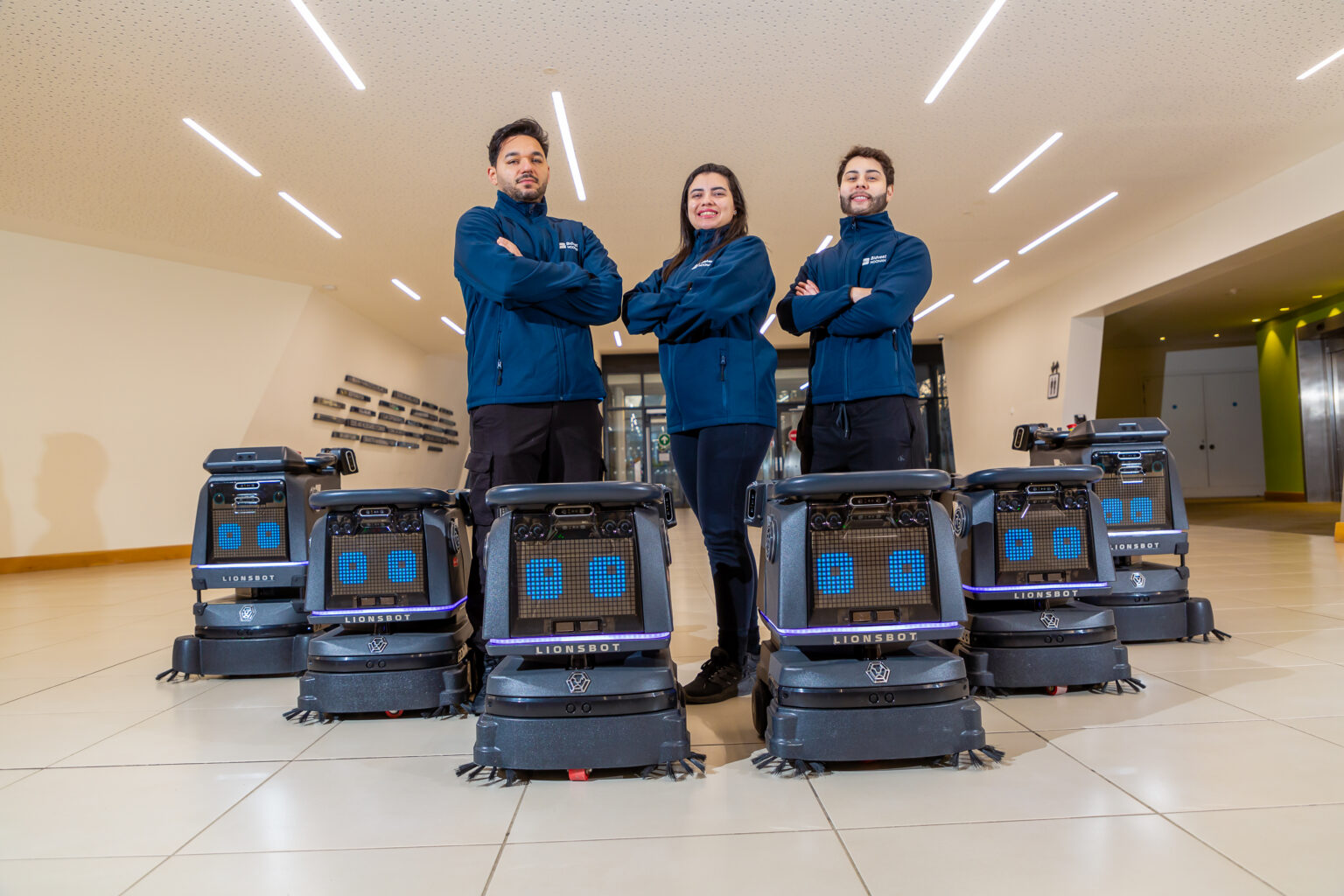
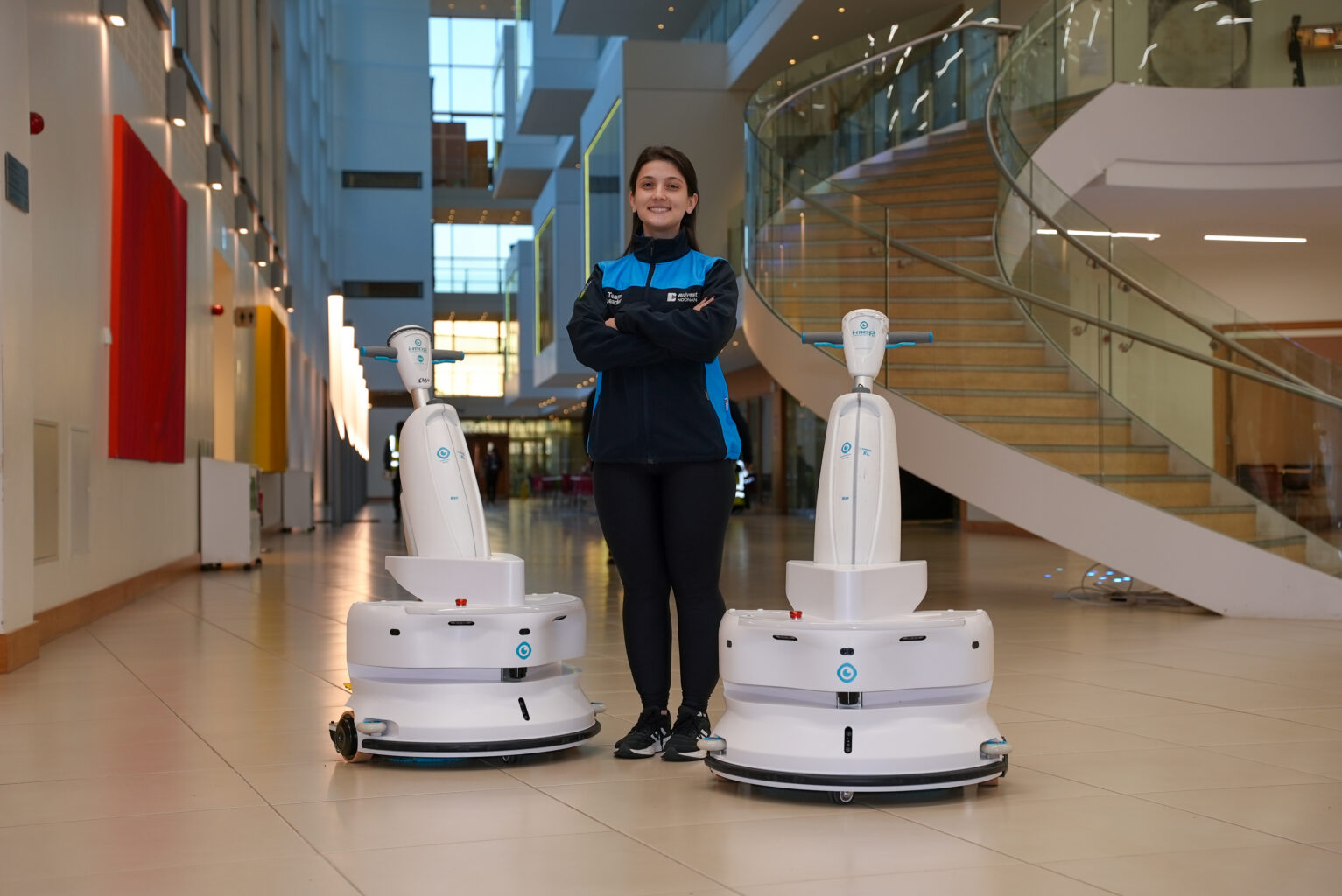
Automation has moved on from production lines and robotic arms. Today, some of the most interesting developments are appearing in far more familiar places: office buildings, hospitals, universities and transport hubs are beginning to use automation in practical and helpful ways, such as robotic cleaning machines.
As automation becomes more common, IoT sensors build awareness of what is happening inside a building, offering a rich and connected view of building activity.
Sensors can now track occupancy, temperature, air quality, water flow, vibration, light levels and other conditions. This allows buildings to respond based on what is happening.
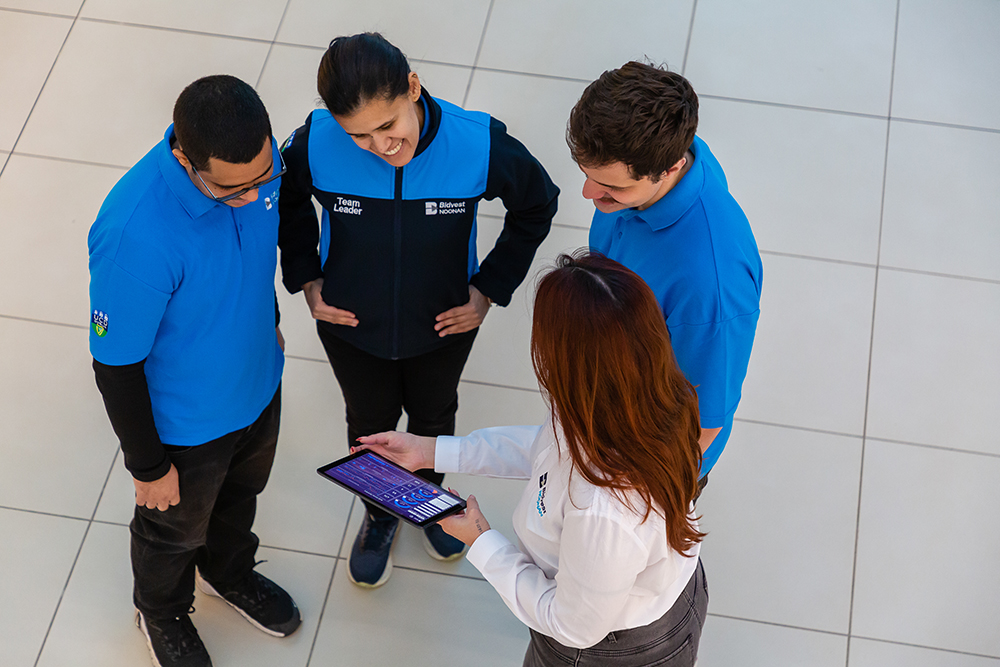
Once organisations begin to collect richer information from sensors and systems, the next challenge is making sense of it all. Digitalisation helps by bringing all the data together in a way that is easy to work with.
One approach is the digital system twin, which helps people see how different components influence one another. If something begins to drift out of range, the model can reveal the knock-on effects, making it easier to pinpoint the problem and respond appropriately.
AI in this activity generates a growing amount of data, but data on its own does not create value. This is where AI is starting to play a distinct role in built environments, sitting inside other systems.
It is a layer of capability that makes other technologies more effective, for example robotic cleaners adjusting routes based on real-time conditions, or digital twins predicting how a system will respond under different loads or identifying early signs of failure.
Few organisations implement all four of these developments at once. Most begin with a single area, see the benefits and then explore the next step. Each development stands on its own and can bring clear value. At Bidvest Noonan, we’re seeing clients gain the most value when these technologies are introduced alongside strong frontline expertise and practical service design.
Together, they show how buildings and facilities are changing. Automation supports teams with routine work. Sensors help buildings sense and respond. Digitalisation gives people a clearer picture of how everything fits together. AI helps that connected environment learn, adapt and improve over time.
None of this replaces the need for experienced facilities and estates professionals. It gives them better tools and better information to manage buildings that are becoming more capable and more essential to how organisations operate. The most effective estates teams will be those who combine human judgement with data-led insight, turning buildings into partners in performance rather than passive infrastructure.

Peter Smyth, Director of Innovation & Technology