Environment
Empowering communities through circular economy and educational initiatives.
Our Commitment
Our goal is to reach net zero by 2045.
Our targets, a 42% reduction in emissions by 2030 and net zero by 2045, are validated by the Science Based Targets initiative and aligned with limiting global warming to 1.5 degrees. Alongside them, we look for ways our environmental action can create social value: putting retired equipment to good use, opening new routes into work and helping colleagues take part in a fairer transition.
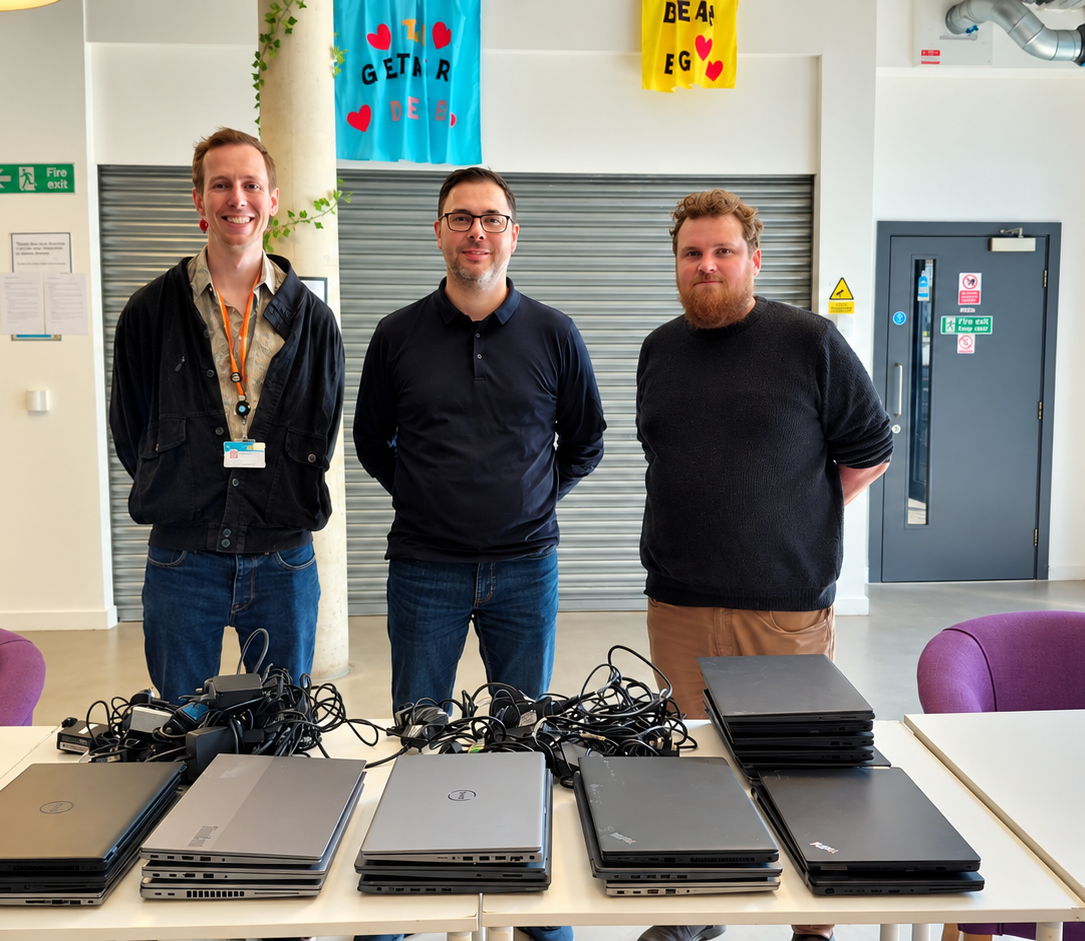
Where circularity creates work, not just savings
One of the things we have learned through our circular economy work is that the relationships it creates can matter as much as the materials it saves. Through organisations we work with to support the responsible reuse and recycling of IT equipment, we have seen how environmental action can also create opportunities for people.
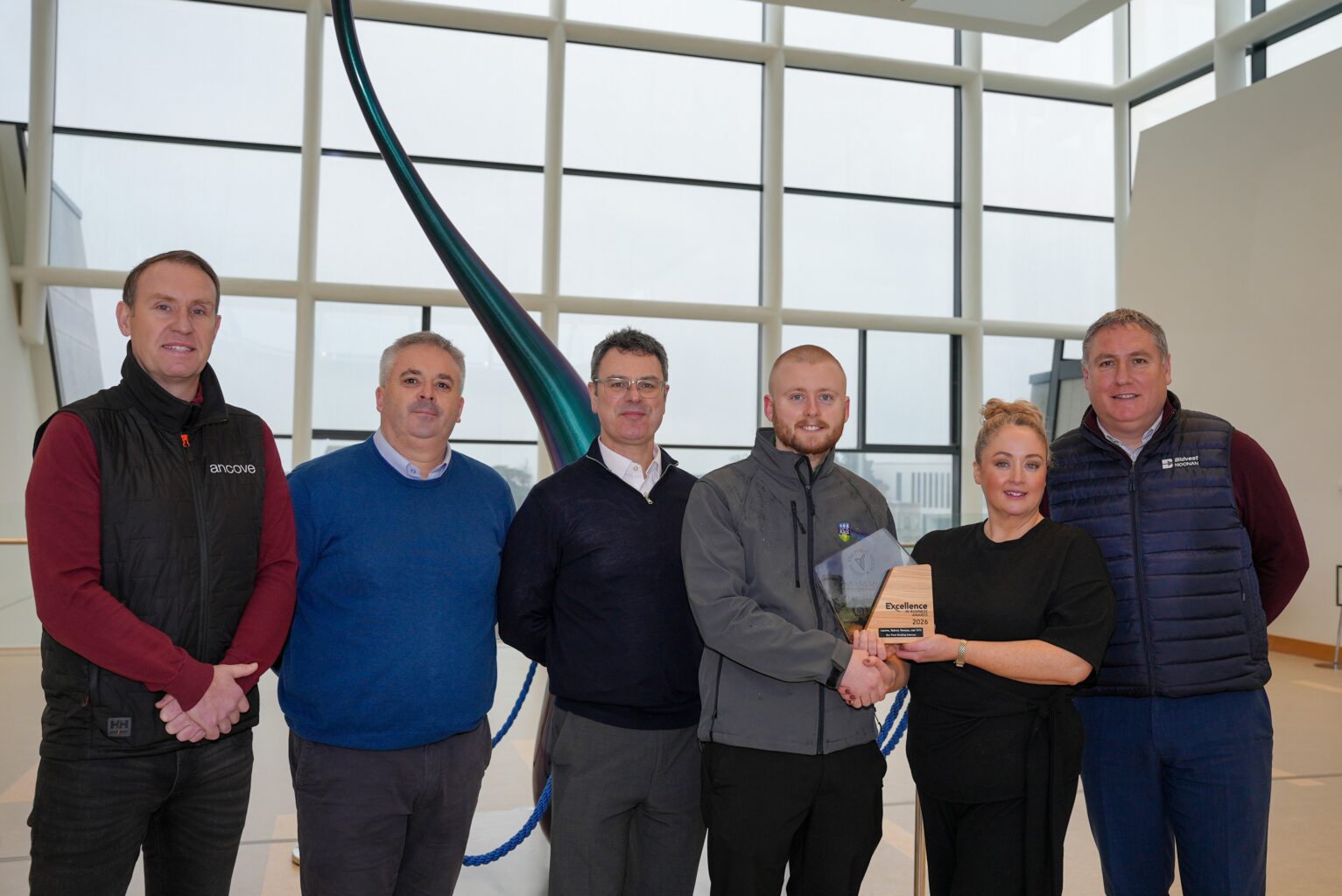
One such relationship led to a work placement within our IT team, together with mentoring and training to support that person’s development. It is an example of how relationships initially formed around environmental goals can sometimes create wider social value too.
Giving resources a second life
We look for opportunities to keep resources in use for longer and reduce unnecessary waste.
Uniforms: We take a more circular approach to workwear, extending its useful life where possible and considering how materials can be reused or responsibly managed at the end of use.
IT equipment: We extend the life of IT equipment through reuse, donation or responsible recycling, where appropriate.
Bicycles: Where bicycles are no longer required, we explore opportunities for them to be reused or donated, helping useful equipment stay in circulation for longer.
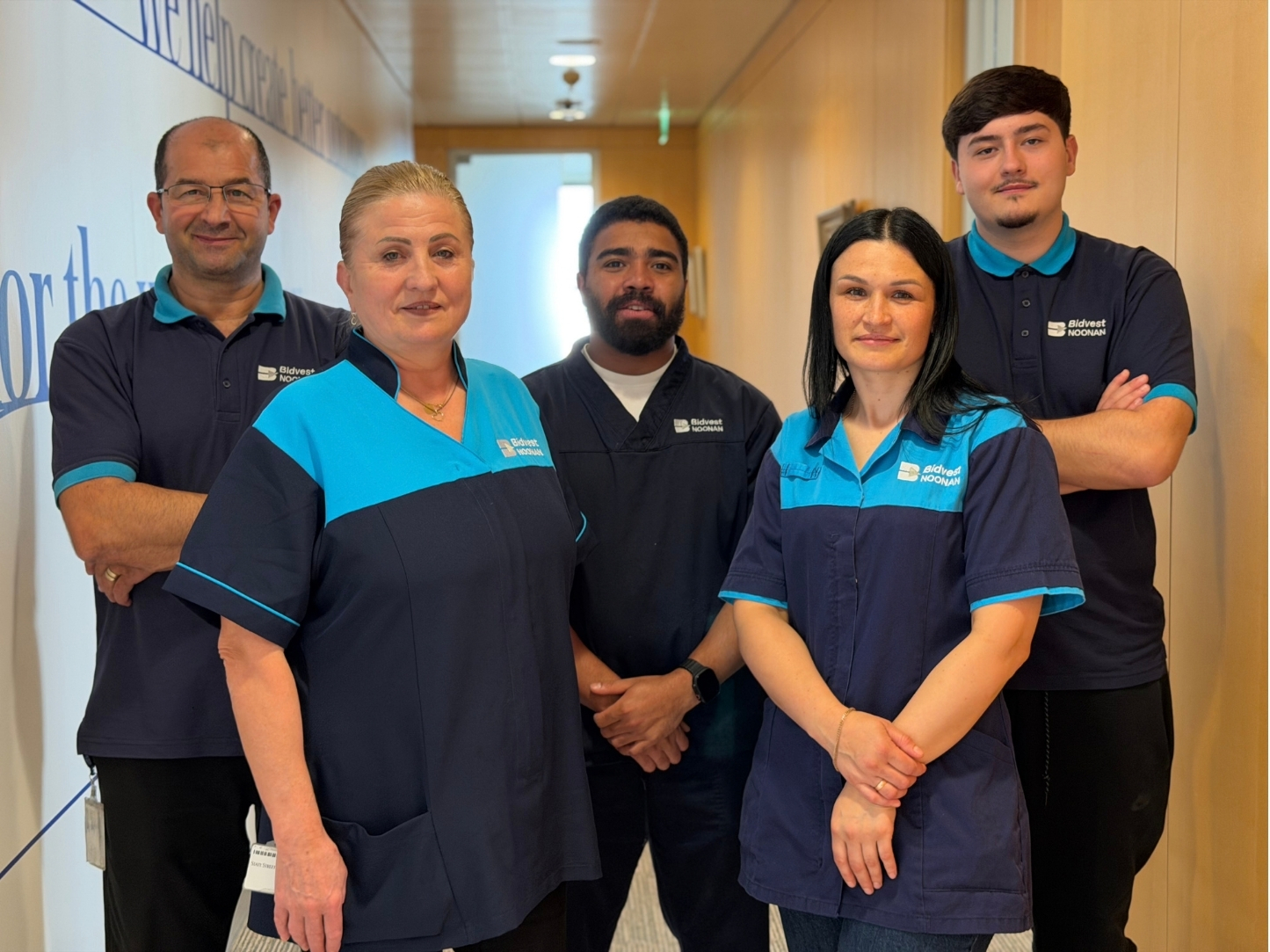
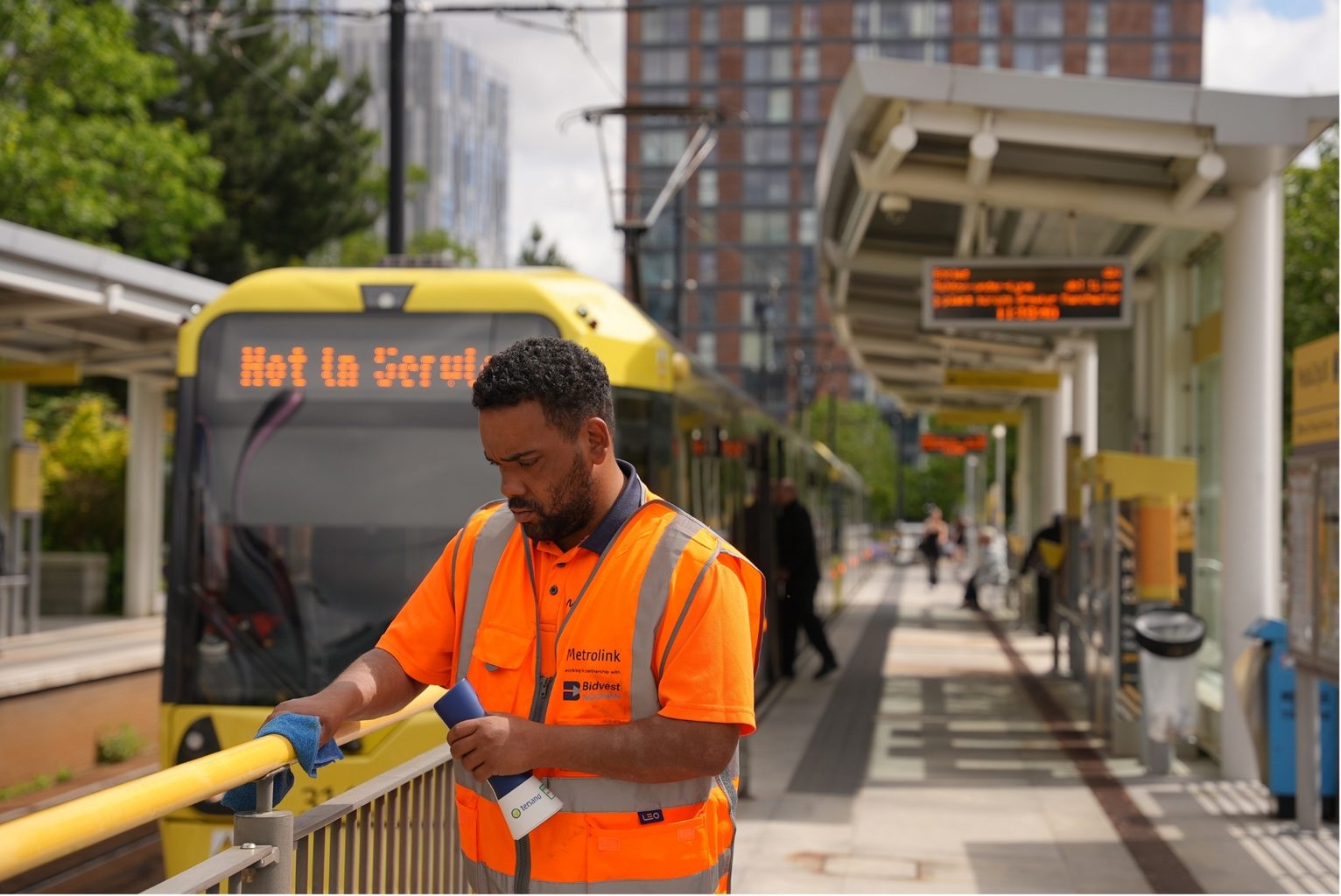
Cleaner ways of working
Reducing our environmental impact means looking at how we work across our operations, supply chain and customer sites.
We continue to explore technologies and working practices that can reduce the use of chemicals, plastics, water, energy and other resources. These include solutions such as stabilised aqueous ozone, water recycling and rainwater harvesting, as well as lower-emission equipment and machinery where appropriate.
We are also working to reduce emissions across our value chain, including through our approach to energy, fleet, procurement and supplier engagement, and by increasing our use of renewable electricity
Helping colleagues understand and take part
Creating lasting environmental impact depends on giving our colleagues the knowledge, confidence and opportunities to contribute.
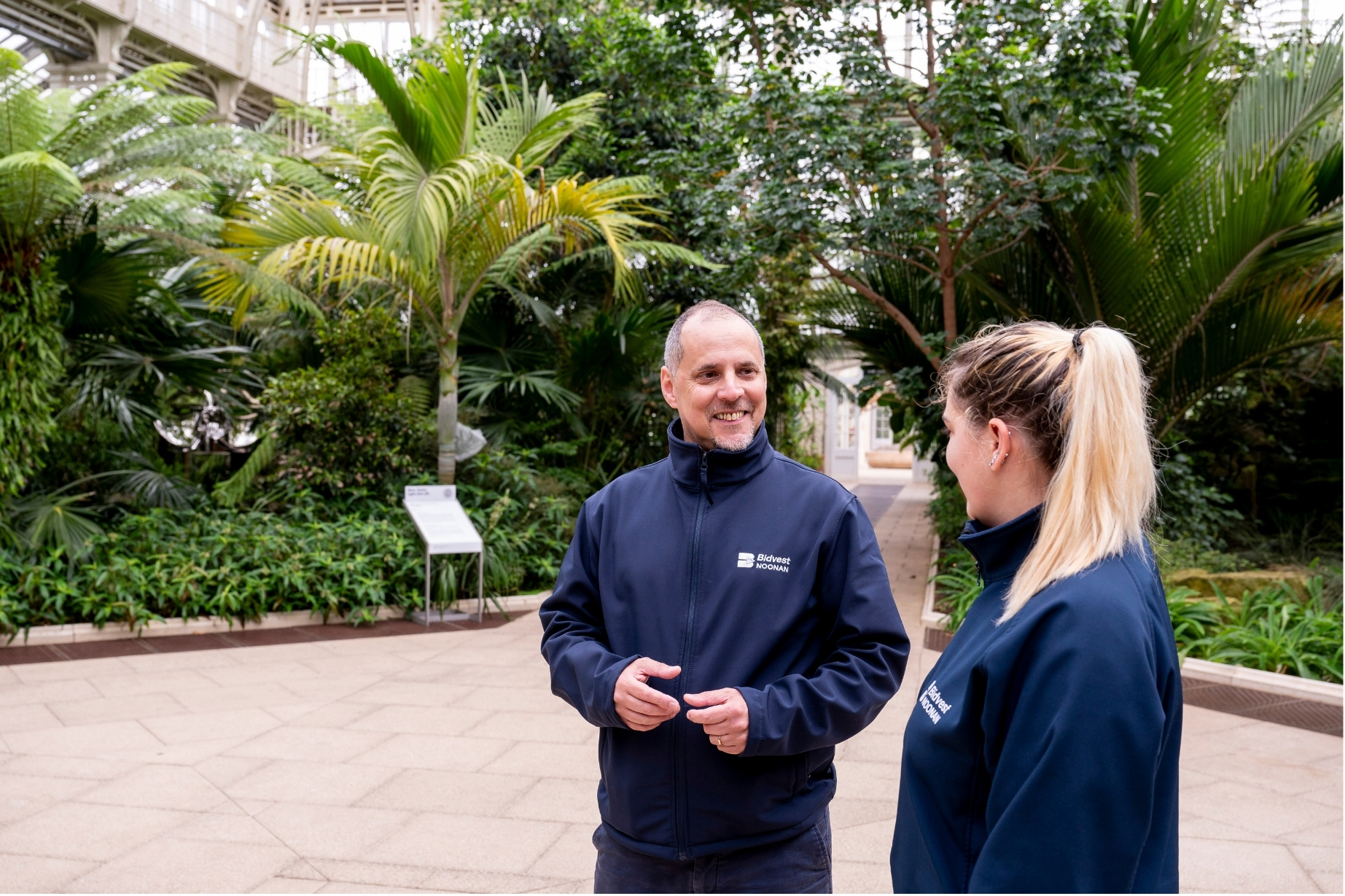
Our climate and environment learning helps colleagues understand the environmental impact of the work we do, use new equipment and technologies effectively, identify opportunities to reduce waste and resource use, and suggest better ways of working.
We also want that learning to have a wider impact. By building understanding of topics such as climate action, circularity and responsible resource use, we can help colleagues contribute to positive change in our workplaces, customer environments and communities.
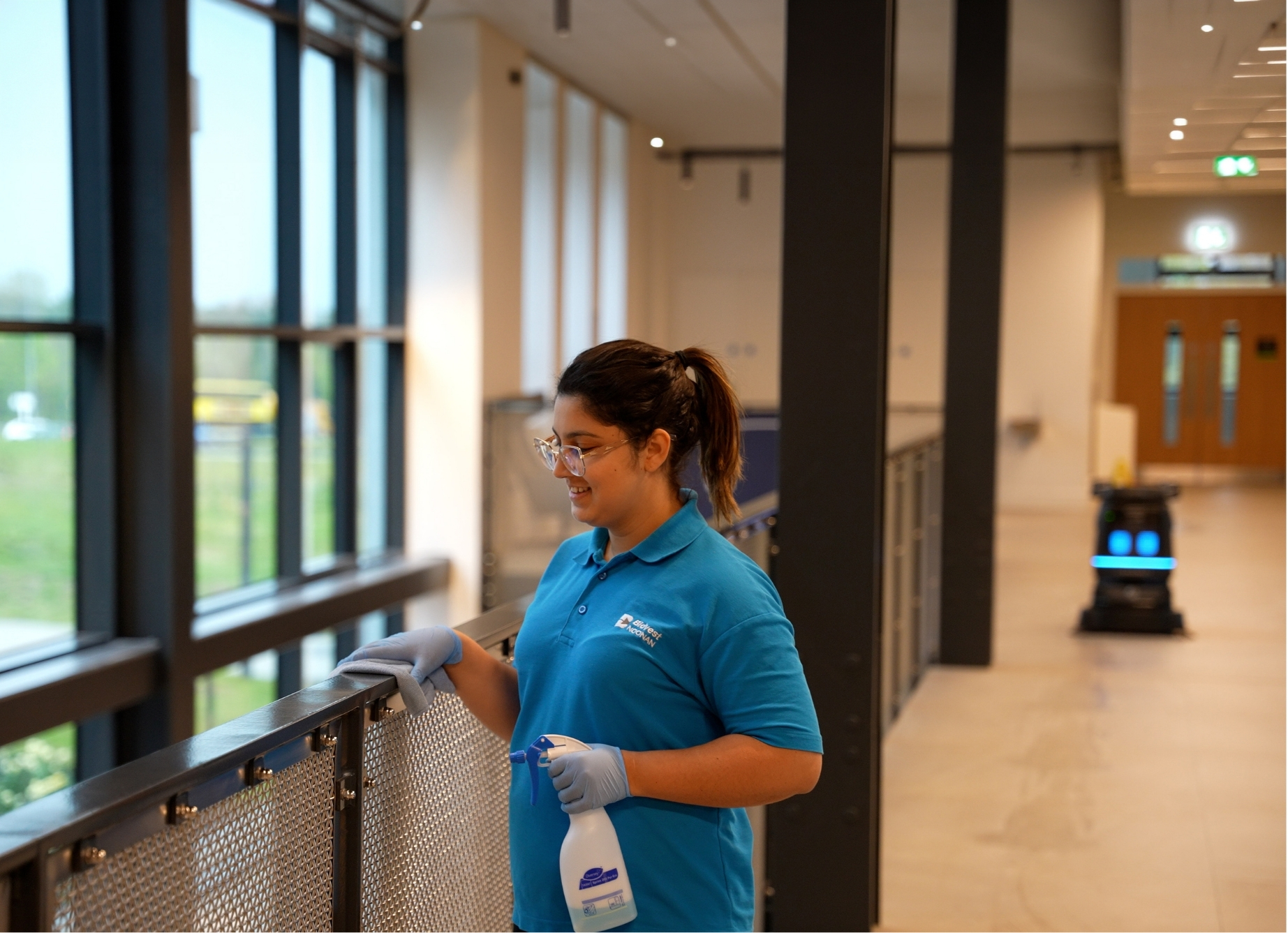
Measuring it honestly
Recycling, reuse and donation are different outcomes, and understanding the difference helps us measure our impact more accurately. We aim to understand not only what happens to resources when they leave our business, but also where they can deliver the greatest value.
Effective reuse also depends on understanding what organisations and communities genuinely need. That is why we value relationships with partners who can help us identify where resources can be put to meaningful use.
Our wider environmental reporting
Our sustainability report sets out our full environmental performance, including emissions, energy and the work we do with customers on their own targets. We report to both EcoVadis and CDP.
Explore opportunities to work together
If you run an organisation that could use equipment we retire, or you can help us turn environmental learning into something practical, we would like to hear from you.