
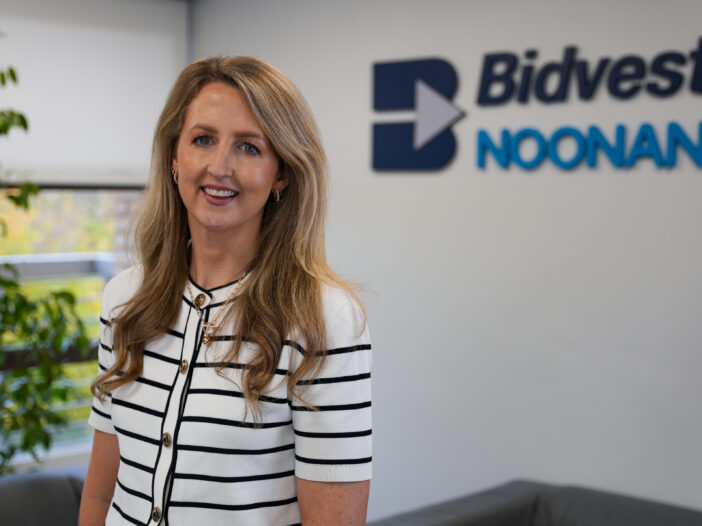
Despite organisations’ best efforts, disengagement remains stubbornly high. Julie Mernagh explains what HR leaders must do differently to make work more meaningful
Despite our profession’s best efforts, many HR leaders would concede that a quiet disconnect still lingers in many workplaces. According to McKinsey research, 70 per cent of people seek purpose at work, yet only 15 per cent find it. Meanwhile, Gallup’s data shows 90 per cent of UK employees are disengaged, with many quietly stepping back from their roles. This is despite the fact many organisations have purpose statements prominently displayed on their office wall and town hall meetings are used to regularly reinforce the message.
So why do so many employees struggle to connect these statements to their daily work? The uncomfortable truth is that many organisational purpose initiatives are performative rather than transformative. They’re crafted to sound convincing in recruitment materials or investor presentations but rarely change how people experience work.
This isn’t simply scepticism. It’s a pattern I’ve observed across multiple sectors throughout my career. Leaders genuinely believe in their stated purpose, but they fail to translate it into the daily reality of frontline employees. As a result, purpose becomes another corporate buzzword that breeds cynicism rather than commitment.
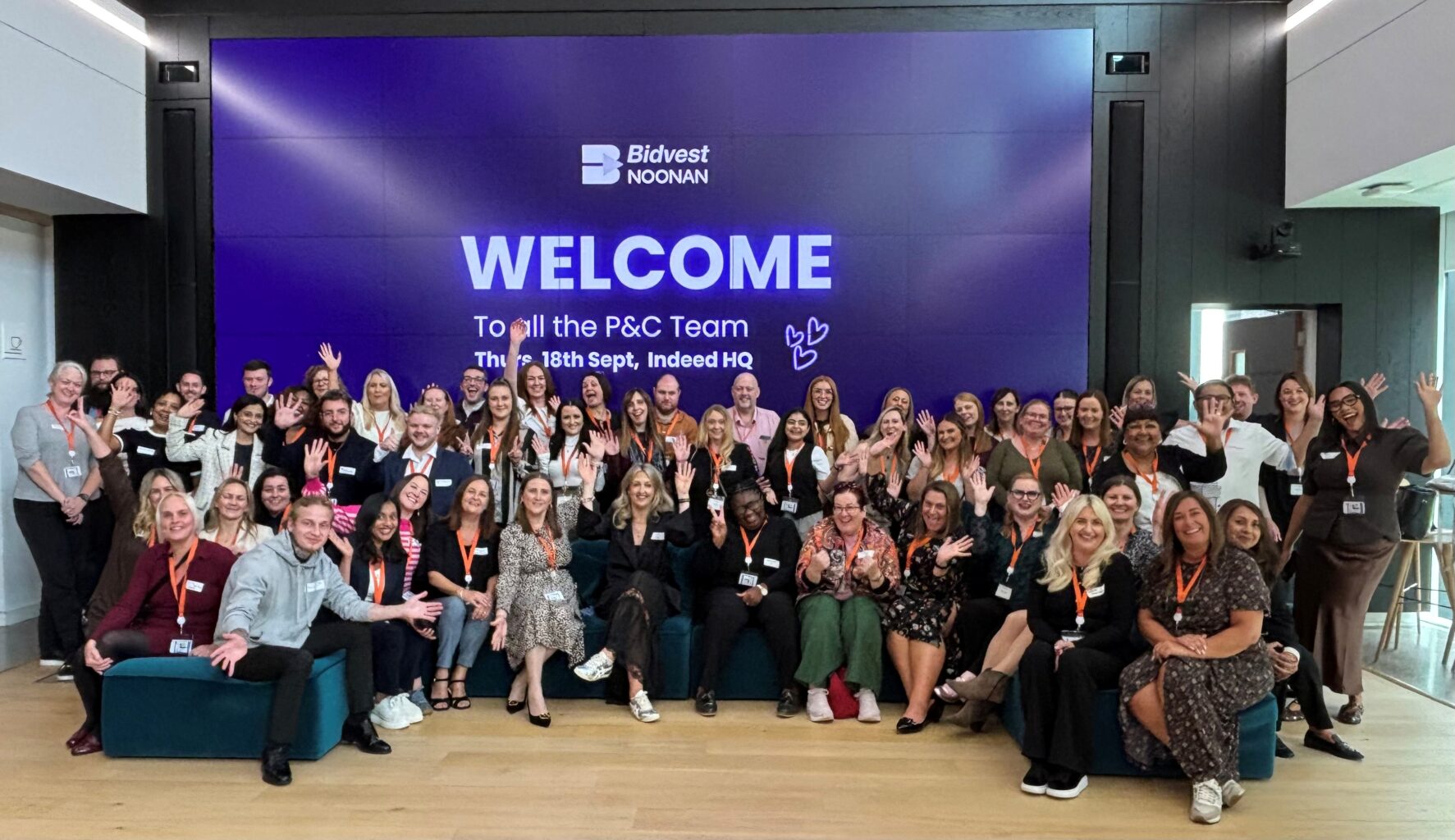
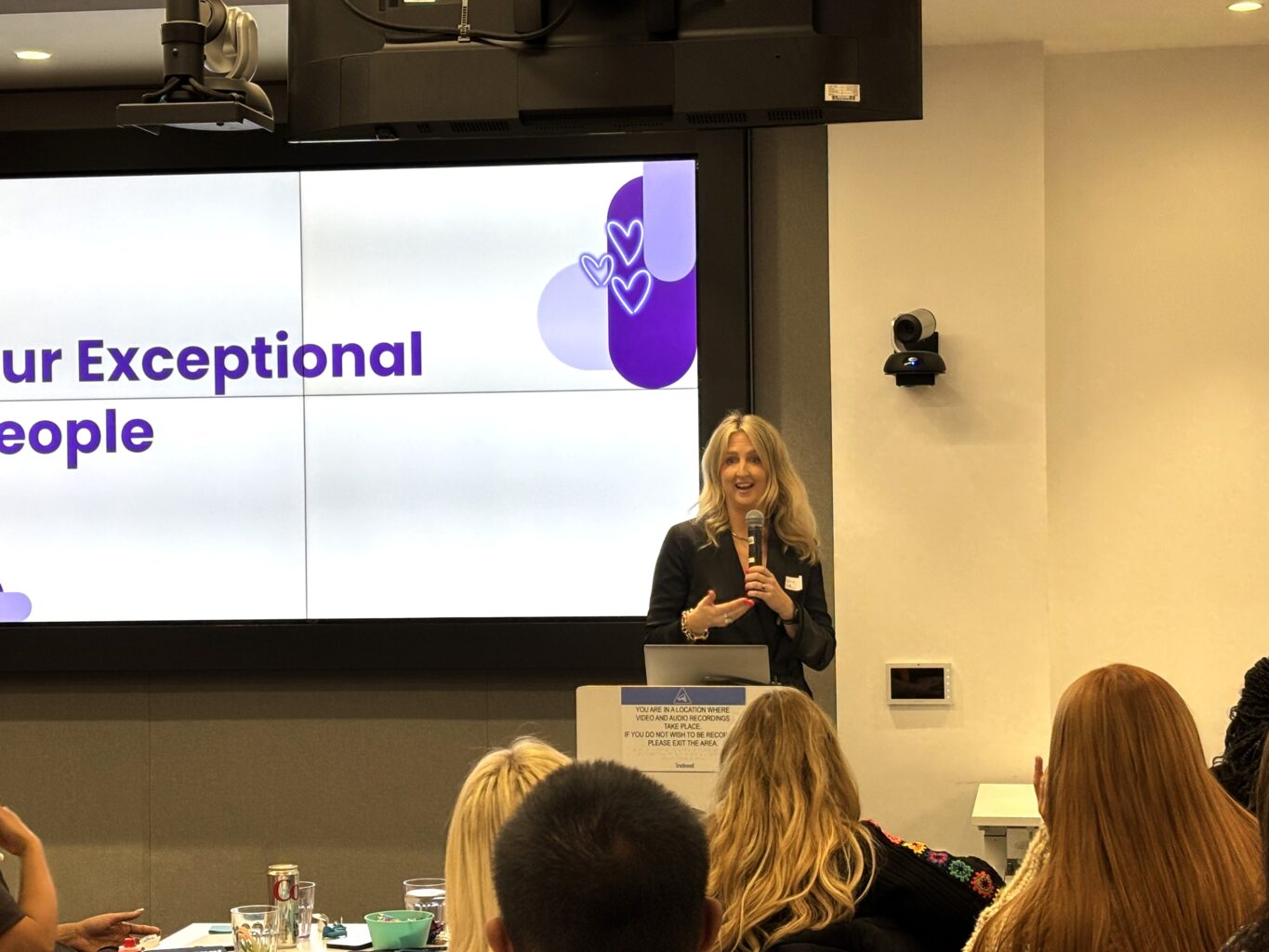
Most purpose initiatives fail for three interconnected reasons. First, they’re developed in boardrooms, rather than through open dialogue with employees. Second, they remain abstract. Statements about ‘transforming lives’ sound inspiring but give no practical guidance to someone cleaning a hospital ward at 6am. Third, they lack accountability mechanisms. Leaders may announce the purpose but they quickly return to business as usual.
Creating authentic purpose demands a different approach – one that can feel uncomfortable because it requires ceding control and accepting vulnerability. Purpose cannot be imposed from above. It must be uncovered through honest conversations about what gives work meaning. These conversations often reveal a purpose that is grounded and specific. A facilities management company, for example, may discover that its purpose is less about ‘service excellence’ and more about creating spaces where communities feel safe and cared for.
Abstract statements fail because they do not guide behaviour. Purpose must be translated into concrete actions. Without this, it remains aspirational rather than operational.
The most critical factor is leadership accountability. Leaders must consistently ask themselves whether their decisions reflect the organisation’s purpose. This can require challenging initiatives that make commercial sense but contradict stated values. Without this accountability, employees quickly see purpose as performance rather than principle.
Purpose comes alive through stories of employees demonstrating it in everyday work. These stories must be authentic. Manufactured stories can breed cynicism. Instead, create simple ways for employees to share moments when they see purpose in action. These examples should be routine, illustrating the meaningful impact of everyday work.
Purpose also needs to be reflected in organisational systems. If purpose emphasises people and communities but HR functions remain transactional, the contradiction undermines credibility.
Embedding purpose into daily operations may require some restructuring. The traditional HR model may be replaced with a people and culture set up, centralised control might need to be ceded to distributed decision making and periodic surveys replaced with continuous listening.
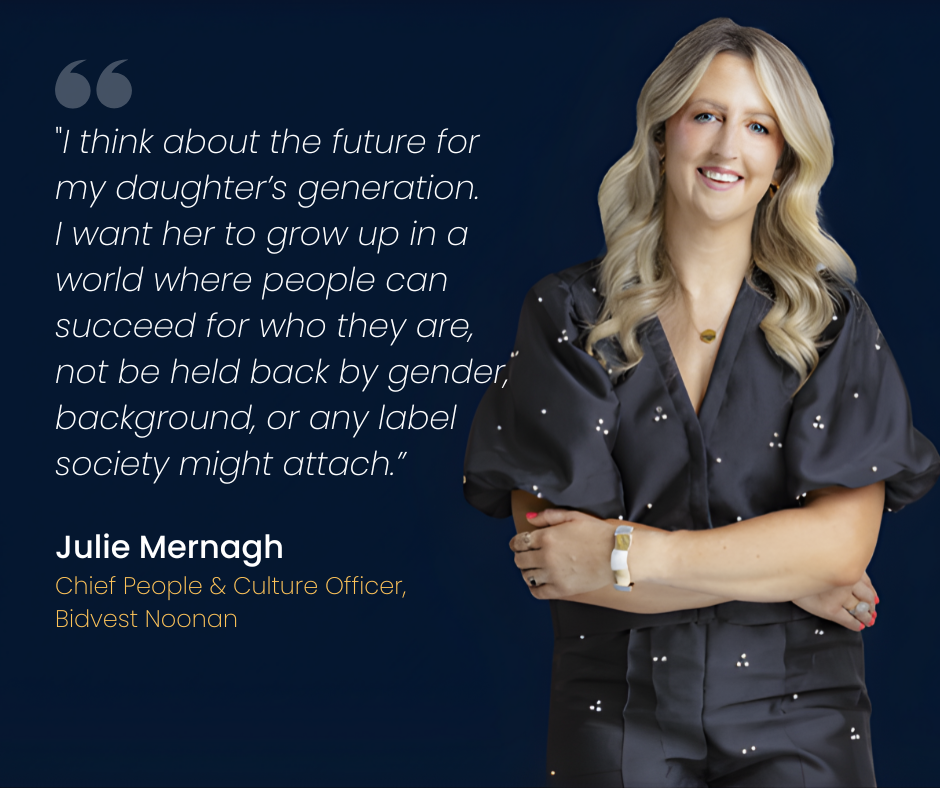
Research shows that purpose-driven organisations tend to perform better in engagement, retention, safety, customer loyalty and even profitability. However, pursuing purpose primarily for these outcomes is itself a form of ‘purpose washing’. Employees can tell when purpose is instrumentalised, when it is more about metrics than genuinely valuing their contribution. The paradox is that business benefits follow only from authentic purpose, not from statements or campaigns alone.
Most organisations aren’t ready for genuine purpose. They want engagement, culture and performance benefits without the fundamental changes required to achieve them. Authentic purpose demands vulnerability, challenges power structures and requires sustained commitment without guaranteed returns.
But in a context where disengagement is high and talent scarce, the cost of purpose washing may now exceed the cost of transformation. The question for HR leaders isn’t whether purpose matters, it’s whether organisations are prepared to do what actually works, rather than what looks good in a presentation.
Julie Mernagh is chief people officer at facilities management company Bidvest Noonan