
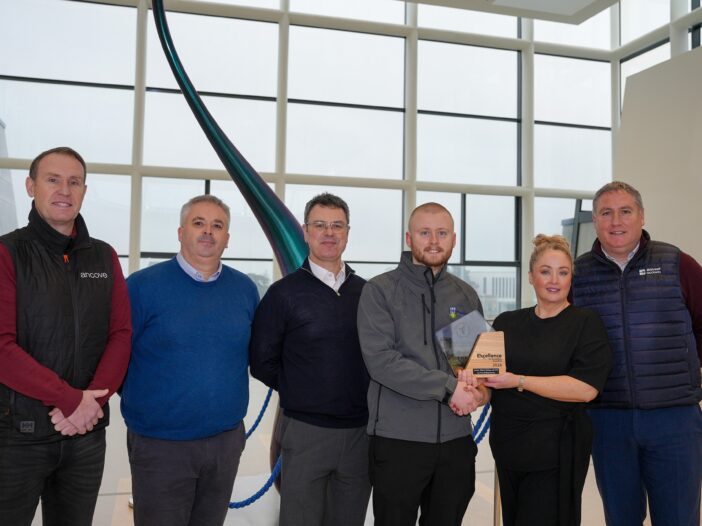
Ireland’s largest university, University College Dublin, market-leading facilities management services company Bidvest Noonan, and Ireland’s leading waste-handling solutions company, Ancove, are proud winners of the Public Sector Magazine’s Excellence in Business Awards ‘Best Waste Handling Solution’ award, recognising innovation in on-site waste reduction and environmental performance.
Bidvest Noonan and Ancove support UCD with waste management solutions helping to improve performance and increase efficiency through practical, day-to-day improvements. Most recently, the partnership has delivered a new sustainability initiative focused on food waste: the installation of a cutting-edge, industrial grade bioprocessor designed for a large campus environment.
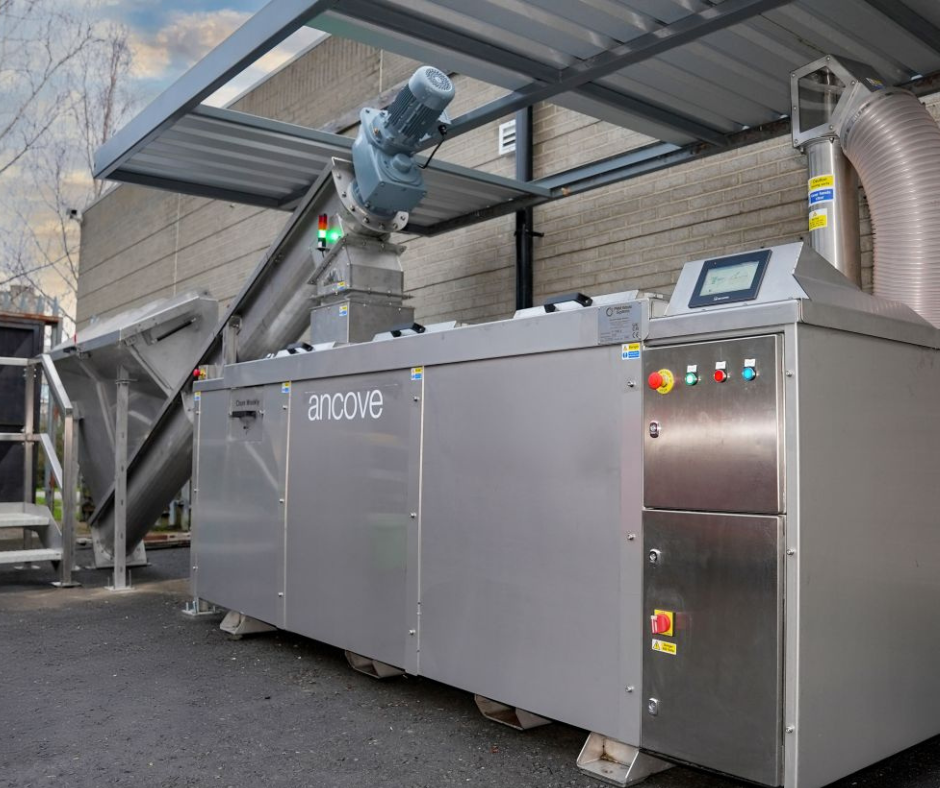
Positioned close to where food waste is produced, the system is expected to cut food waste volumes by up to 80%, while reducing the storage and transport typically required to manage organic waste at scale.
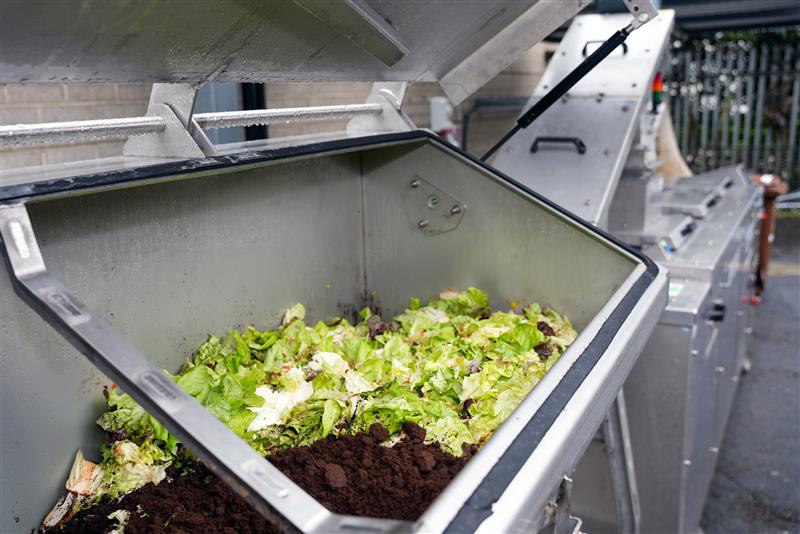
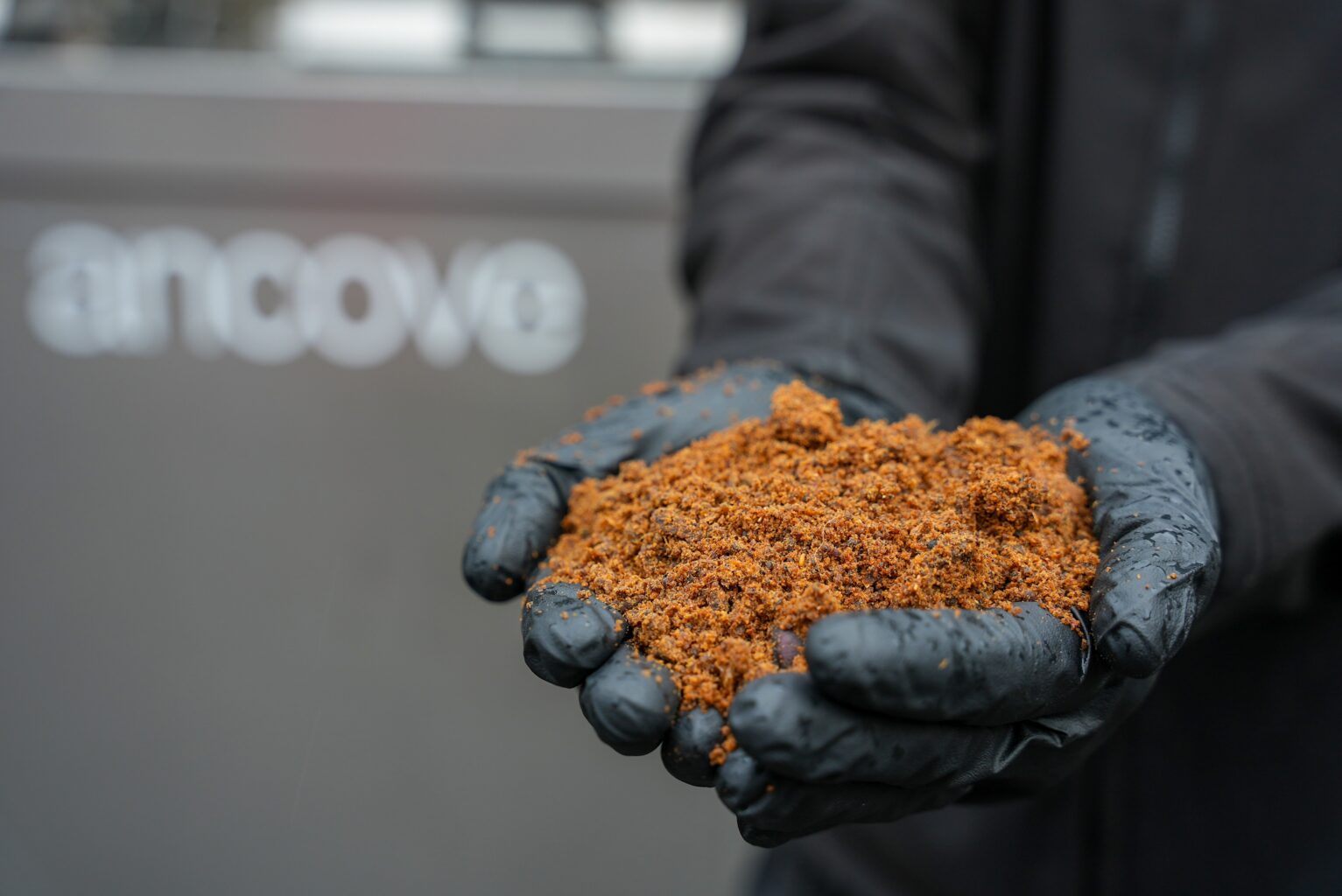
The bioprocessor is capable of digesting up to 1,000 litres of unavoidable food waste and other organic material each day. Operating within a sealed, controlled system, it breaks waste down aerobically using oxygen and microbes, converting organic material into a soil-enriching output. By processing waste on site, the system reduces the volume of material leaving campus and decreases the number of waste collections required.
For a campus of UCD’s scale, the operational benefits are significant. Fewer collections mean fewer vehicle movements, lower associated emissions, and less disruption to day-to-day campus activity. The system also reduces the manual handling involved in food waste management and supports a more circular approach to resource use, helping to divert organic waste away from traditional disposal routes.
The installation forms part of UCD’s broader programme to strengthen environmental performance through applied innovation. It also demonstrates how facilities management and waste-handling expertise can support large institutions in delivering practical sustainability outcomes, while improving efficiency across daily operations. As the system becomes embedded in campus routines, it is expected to contribute to UCD’s wider environmental goals over time, providing a scalable model for on-site organic waste processing.